
Escape the vape loop
Quitting vaping is not about being stronger. It is about changing who you are in the craving moment.
Nicotine relief is fast and reliable. Your brain learned that trade on purpose. Unlearning it takes daily proof, not a single heroic day.
Why vaping is hard to quit
Vaping delivers nicotine quickly with less friction than cigarettes. Hand to mouth, small hit, repeat. The ritual fits into gaps: parking lots, work breaks, after meals, before sleep. Quitting is not just removing a substance. It is removing a reliable regulator for stress, boredom, and social anxiety.
When you vape, you briefly become someone who feels okay. That identity is powerful. Most quit attempts fail because they focus on day one willpower and ignore the hundred small moments that follow. You might vape within five minutes of waking, again after your first coffee, and three more times before lunch without really deciding to. The device is always in your pocket.
The loop is always available. The device is discreet enough to use in places cigarettes never fit. Bathrooms, desks, bedrooms. That accessibility makes the loop harder to see until it is everywhere. You might vape without tasting it after the first week of heavy use.
Autopilot is the sign the identity has taken over. The loop often starts invisibly. You borrowed a device, tried it once at a party, bought your own within a month. Now it lives in your pocket like keys. That normalization is how identity forms without a dramatic announcement.
The identity loop
You are not weak. You are practicing the person who vapes when things spike. Every successful crave-and-vape cycle taught your brain that vaping is the solution. The loop is neurological and emotional. Smoke-free is not a label you earn after thirty days. It is a role you practice when an urge hits and you do something else instead.
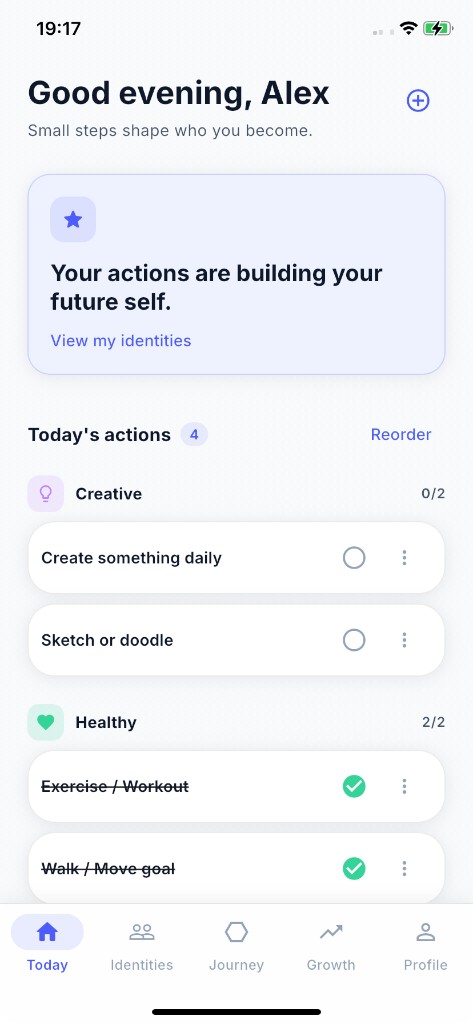
Each log, walk, or breath is a vote for a different outcome. Ascend frames this through identities like Smoke-Free and Calm. The habits are small: log a craving without acting, replace one trigger, tell someone you are quitting. Proof accumulates. The short relief is real. Your jaw unclenches.
Your mind clears for a minute. Then the craving returns, and you need another hit to get back to that baseline. Quitting announcements feel good for forty-eight hours. Then you are alone with a craving in a parking lot and nobody is cheering. Each craving you survive without vaping is proof your body can tolerate discomfort. That proof stacks even when it does not feel heroic.
Cravings have a shape. They rise, peak, and fall whether you act or not. Learning that shape in your body, tight chest then release, is part of becoming someone who does not need the hit to survive the wave.
Why cold turkey alone breaks down
White-knuckling works until stress piles up. A bad day at work, an argument, a drink with friends, and the old identity returns because it still knows how to deliver relief in thirty seconds. Ascend does not replace nicotine gum, patches, or medical support if you need them. It does not block vape shops. It gives structure for the identity shift: daily actions, weekly honest review, visible progress when motivation dips.
Combine tools. Structure plus support plus replacement rituals beats shame plus isolation. Week two is when many people break. The announcement is over. Nobody is checking in.
The novelty of quitting is gone and the cravings are not. Structure matters most in that window. Nicotine replacement is not failure. It is harm reduction while you rebuild identity. Ascend tracks habits alongside gum or patches if you use them.
Social vaping is real. If your friends vape, plan what you will hold, where you will stand, and who you will text when the urge spikes. Stressful weeks will come. A quit plan that only works on calm weeks is not a plan. Build one replacement ritual for your worst weekday before you need it, not during a craving in the car.
Ready to practice a different identity starting today?
Map your triggers
Track when you vape for three days without trying to quit yet. Morning coffee. Driving. After sex. Gaming. Alcohol. Social settings where everyone else vapes.
Pick the highest-frequency trigger first. Swap one: walk, water, five slow breaths, gum, a text to a friend. You are not fixing every trigger at once. You are proving you can survive one familiar moment differently. Cravings peak and fall. Most last a few minutes. Logging them creates distance between urge and action.
Notice whether you vape more when you skip meals, sleep poorly, or drink. Nicotine cravings stack with physical depletion. Fixing sleep or food can reduce the intensity of the urge loop. Morning is the hardest trigger for many people. Delay the first vape by thirty minutes for three days and log how it feels. Data beats dread. Keep substitutes where the device lived.
Console, pocket, nightstand. Same location, different object. Driving with one hand on the wheel and one on the device is common. Change the car ritual first if that is your number one trigger. Gum in the console beats willpower at a red light.
Daily proof instead of perfect days
A smoke-free day is great. A day where you logged three cravings and only acted on one is also progress. The identity forms in the moments you pause. Tell one person you are quitting. Accountability does not have to be public. One trusted voice reduces the secret loop that makes relapse feel inevitable.
Replace the hand-to-mouth ritual with something physical you can do in the same locations. Fidget, straw, toothpick, short walk. Boring objects often work because they interrupt autopilot. Keep your vape device out of reach during your hardest trigger window. Not in the car cup holder. Not on the nightstand.
Friction is not weakness. It is engineering. Partial days count. If you vaped twice instead of eight, log it. The identity shift happens in the reduction before it happens in zero. Sleep and food change craving intensity more than willpower speeches.
Fix those when cravings feel impossible. Tell your quit date to one person who will not lecture you. You need a witness, not a judge. Their text on day nine might be the difference between a slip and a restart.
Weekly review when motivation fades
Week two and three are where many quit attempts end. The novelty is gone. Stress is back. Weekly review asks what happened on slip days without calling you a failure. Did you skip sleep? Drink more?
Skip meals? Triggers are often stacked. Fix one layer next week. Ascend's review is a checkpoint, not a verdict. Adjust habits, not your worth. If you slipped on Friday after a hard week, the lesson is that Friday after work is your danger zone.
Plan a replacement ritual for that specific hour next week. Slip days need trigger names, not self-attack. "Stressful call with boss, vaped in car" is useful. "I am hopeless" is not. Week four can feel flat. Motivation is gone but cravings remain.
That is when structure matters most. Review whether you removed temptation or just white-knuckled near it. Keeping a charged device in your drawer while trying to quit is a test you will fail at 11pm.
What Ascend will not do
Ascend is a habit and identity tracker, not a cessation clinic. It will not prescribe treatment or guarantee you quit. It helps you practice smoke-free evidence daily and see patterns over time. If withdrawal feels severe, talk to a doctor or use proven cessation resources in your country. Structure in an app works best alongside real support.
You can become someone who does not vape without waiting to feel ready. Readiness is often a story the old identity tells to buy one more day. The app will not block vape purchases or detect nicotine in your system. It provides structure and honest review, not medical intervention. Medical support exists for a reason.
If you have tried alone three times, add a layer. Ascend is one layer, not the only layer. You do not owe anyone a quit story on their timeline. Start when you start. Structure helps whenever you begin.
Ascend tracks proof, not purity. A day with logged cravings you survived is progress even if it does not feel like victory yet.
FAQ
Should I quit vaping gradually or all at once?
Both approaches work for different people. Gradual reduction can reduce intensity; abrupt quitting can reduce prolonged negotiation. Whichever you choose, identity-based daily proof and trigger swaps matter more than the label on your method.
What should I do when a craving hits?
Pause, name it, log it if you can, and ride the peak without acting for a few minutes. Replace the ritual with water, breath, movement, or a text to someone who knows you are quitting. The craving will pass whether you vape or not.
Is Ascend free?
Ascend is free to download. Ascend Pro adds optional extras like unlimited identities and deeper insights via subscription.
Does my data leave my device?
Your identities, habits, and reviews are stored locally on your device by default.